



Neodymium Magnet Tips
- Author: Uwandy
- Published on: August 13, 2024
What is neodymium magnet used for?
Neodymium magnets are frequently used in our daily lives, and common applications include electric motors, headphones, smartphones, magnetic packaging, couplings, magnetic knife holders, magnetic phone mounts, and more.
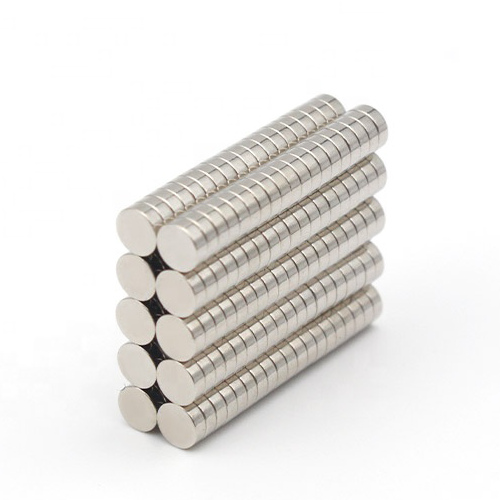
Neodymium magnets are not well-known to many, but they have a regular presence in our daily lives. According to our company’s sales experience, disc magnets and rod magnets are commonly used in various applications, including packaging, headphone speakers, magnetic switches, and magnetic toys.
Block and arc magnets, on the other hand, are primarily utilized in motors. These motors encompass a wide range, from stepper motors to linear motors and brushless DC motors. Their applications extend to products like drones, electric vehicles, and automated machinery.
Another type of neodymium magnet, the countersunk magnet, has diverse applications. By affixing countersunk magnets to objects using screws, these objects can effectively adhere to steel and other metals, serving the purpose of secure attachment. Similar in function are pot magnets, which come in variations such as internal threaded pot magnets, external threaded pot magnets, and rail magnets. They all share a common purpose in their applications.
Is neodymium the strongest magnet?
Yes, neodymium magnets are the strongest magnetic material to date. Compared to other common magnetic materials like ferrites, aluminum-nickel-cobalt magnets, and samarium-cobalt magnets, neodymium-iron-boron magnets have the strongest magnetic force. Currently, N52 is the highest grade in the neodymium magnet property chart.
Many people may not have a clear understanding of the magnetic strength of neodymium magnets. Low-performance neodymium magnets can attract metal objects weighing nearly 600 times their own weight. The highest standard performance for neodymium magnets is N52. For instance, D6x3mm Neodymium Magnets N52 Circular Magnets can theoretically generate an attractive force of approximately 0.872kg/1.923lbs.
What is special about neodymium magnets?
Neodymium magnets stand out for their performance and affordability. They outperform samarium-cobalt magnets while being more cost-effective. However, they fall short in terms of temperature resistance when compared to ferrite and samarium-cobalt magnets. To enhance their temperature resistance, neodymium magnets often require the addition of rare earth metals like dysprosium and terbium to increase intrinsic coercivity.
How to choose good quality neodymium magnets and a reliable supplier?
When purchasing neodymium magnets, common issues often involve insufficient magnetic strength and non-compliance with tolerances. Prior to buying neodymium magnets, it’s advisable to confirm the magnet’s performance, theoretical pull force, and tolerances. If you are making a bulk purchase, it’s best to conduct sample testing to ensure they meet your requirements.
We often encounter customers complaining:
- I bought substandard neodymium magnets.
- The magnets I purchased have weak magnetic attraction.
- The magnets I bought are either too small or too large and cannot fit into the product I had pre-designed.
Why is this situation occurring?
- I didn’t test sample magnets before purchasing, so I didn’t know what performance and tolerances were suitable for my product.
- The seller misrepresented the performance, falsely labeling low-performance magnets as high-performance to mislead buyers. This misinformation confuses buyers, leading them to misunderstand the neodymium magnet they are buying. This situation can result in inaccurate price quotes when buyers inquire with other suppliers (for example, requesting quotes based on N52 performance while they previously bought N35 magnets at N35 prices).
- When purchasing ready-made products, it’s essential to inquire about the magnet’s tolerances from the seller. To cut costs, many sellers set tolerances at around -1% to -5%, which can sometimes fail to meet the buyer’s requirements.

The prices of neodymium magnet raw materials on December 8,

The prices of neodymium magnet raw materials on August 5,

The prices of neodymium magnet raw materials on December 30,

The prices of neodymium magnet raw materials on March 7,